Choosing the right size is only the beginning when selecting girl dresses for children. Fit also changes with age because a toddler, a school-age child, and a teenager have very different proportions, movement needs, and preferences. Well-fitting girl dresses should allow a child to move, sit, play, and grow without looking sloppy or feeling restrictive. 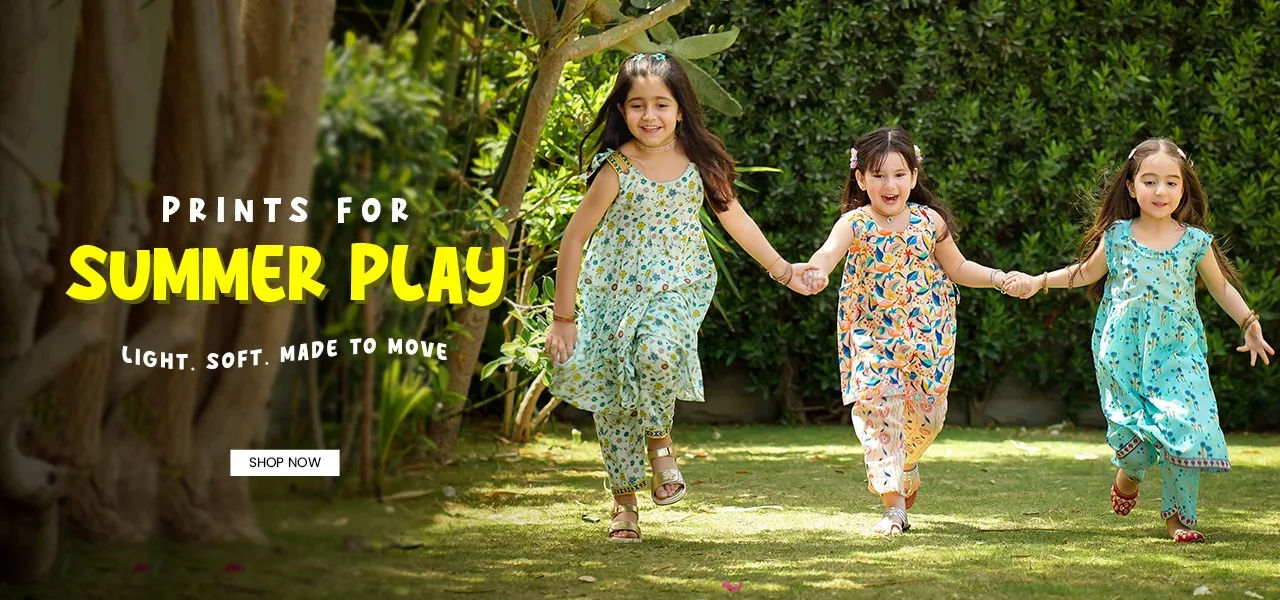 For parents, the goal is not to make every outfit look perfectly fitted like adult clothing.
Children need practical room for movement and growth. At the same time, oversized clothing can get in the way, while clothing that is too tight can become uncomfortable very quickly. Understanding how girl dresses should fit at different ages makes shopping easier and helps children feel comfortable in what they wear.
The best approach to choosing girl dresses is to consider the child's actual measurements, body shape, activity level, fabric, and the style of the dress. Age can guide you, but it should never be the only measurement used when selecting clothing.
Why Fit Changes as Children Grow
Children's bodies change rapidly. A size that fits well during one season may become short or tight a few months later. Growth is not always proportional either. A child may become taller before gaining much width, or a dress may still fit around the chest while becoming too short at the hem.
That is why age-based sizing should be treated as a general guide. Two children of the same age can need completely different sizes.
Fit also depends on the purpose of the outfit. A party dress can have a more defined shape, while a play dress should usually provide extra ease. School clothing needs to support sitting, walking, climbing stairs, and other everyday activities.
Toddler Dresses: Comfort Comes First
For toddlers, comfort and safety in girl dresses should be the main priorities. Children in this age group are constantly moving, sitting on the floor, climbing, and exploring. A dress should not interfere with those activities.
How the Bodice Should Fit
The bodice should sit comfortably against the body without pressing into the chest, waist, or underarms. You should be able to place a finger or two between the fabric and the child's body without the garment feeling loose.
Watch the shoulder area carefully. If the shoulder seams slide far down the arms, the dress may be too large. If the seams pull toward the neck or the fabric wrinkles tightly across the back, it may be too small.
Check the Armholes
Armholes should allow natural arm movement. Ask the child to raise both arms, reach forward, and sit down. If the dress pulls sharply around the armpits, it needs more room.
Avoid excessively loose necklines on young children. Decorative ties, long cords, and poorly secured embellishments can also create practical safety concerns.
Choosing the Length
For toddlers, a moderate length is usually easier to manage. Extremely long dresses can catch underfoot, especially when a child is running or climbing. A dress that falls around the knee or slightly below can offer a useful balance between coverage and mobility, depending on the child's activity and the design.
Preschool and Early School Years
As children enter preschool and primary school, they become more active and independent. They may also start expressing clear opinions about colors, patterns, and silhouettes.
At this stage, girl dresses should combine comfortable movement with a shape that looks intentional. A dress does not need to be tight to look well fitted.
Leave Room for Movement
A good set of girl dresses should allow a child to bend at the waist, lift her arms, walk quickly, and sit comfortably. If the fabric pulls across the stomach or back when she sits, the garment is probably too close-fitting.
For everyday wear, fabrics with some flexibility can make a significant difference. Cotton blends, soft knits, and other comfortable materials can provide movement without making the dress look oversized.
Look at the Waist
Some children's dresses have elastic or adjustable waists. These can be especially useful during periods of rapid growth. The waist should stay in place without digging into the skin.
If the waist leaves deep marks after a short period of wear, it is too tight. If the dress constantly slides downward or needs repeated adjustment, it may be too loose or poorly shaped for the child.
Dresses for Children Around 7 to 10
Between approximately seven and ten, girl dresses can have very different body proportions. Some children remain petite, while others begin noticeable growth spurts. This is one reason measurement-based shopping becomes increasingly useful.
The Chest and Back
The dress should lie smoothly across the chest and upper back. A few small folds caused by movement are normal. Persistent horizontal pulling, stretched seams, or gaping around closures are signs that the size or cut is wrong.
For dresses with buttons or zippers, check that the closure remains flat when the child moves. A zipper that waves or a button area that pulls apart usually means the garment needs more room.
The Waist and Hips
Not every dress needs to define the waist. Loose and straight silhouettes can be excellent choices for everyday wear. When a dress does have a fitted waist, it should correspond naturally with the child's waist rather than sitting uncomfortably high or low.
Children's proportions vary considerably, so a dress can fit correctly at the shoulders and still be too narrow through the waist or hips. This is another reason to check the entire garment rather than relying on one measurement.
Preteen Dresses: Fit and Personal Style
During the preteen years, growth can become less predictable. Children may grow several centimeters in a short period, and their preferences about clothing can change just as quickly.
At this age, the fit of girl dresses should support comfort while allowing the child to develop her own sense of style. Parents can provide practical guidance, but the child should have an appropriate voice in choosing clothes she will actually want to wear.
Avoid Buying Far Too Large
It is understandable to buy clothes with growth in mind, but choosing several sizes too large can create problems. Excess fabric may bunch at the waist, sleeves may fall awkwardly, and the shoulders may sit in the wrong place.
Instead, look for adjustable straps, elastic sections, wrap details, and modest hems that provide useful growing room without making the whole dress oversized.
Check the Shoulder Fit
The shoulders are one of the easiest places to judge whether a dress is correctly sized. The seam should generally sit close to the natural shoulder edge in a conventional design.
If the shoulder seam hangs well down the upper arm, the dress may be too large. If it sits tightly toward the neck and restricts movement, it may be too small.
Teen Dresses: Fit Should Reflect the Design
Teenagers generally need clothing that fits their changing proportions and suits the intended style. At this stage, sizing can vary widely between brands, so the label alone should not determine the choice.
A fitted dress should follow the body's shape without creating uncomfortable pressure. A relaxed dress should hang naturally rather than looking as though it was borrowed from someone much larger.
Consider the Intended Activity
A dress for a formal event can have a different fit from one intended for school or casual use. A structured occasion dress may have a more defined waist or bodice, while an everyday dress should generally provide greater freedom.
When trying on girl dresses, walking and sitting are just as important as standing in front of a mirror. A garment that looks excellent while standing still can become uncomfortable after an hour of movement.
Check the Hem
Hem length matters more as children become older because style preferences become stronger. Regardless of fashion, the length should be practical for the occasion.
A child should be able to walk normally without repeatedly stepping on the hem. If a dress has a long skirt, check how it behaves on stairs and when sitting down.
How Much Growing Room Is Appropriate?
Growing room in girl dresses is useful, but there is a difference between planned ease and excessive size. A small amount of extra length can extend the useful life of a dress. Excess width, however, can change the way the garment hangs.
The best amount of room depends on the design. A loose shift dress naturally accommodates growth better than a fitted bodice. An elastic waist may remain comfortable across several months, while a rigid fitted waist has much less flexibility.
For special-occasion clothing, avoid buying extremely large sizes simply because the event is months away. A dress that fits poorly on the event day can be difficult to alter, especially if the design includes embroidery, beading, layered skirts, or complex seams.
How Fabric Affects Fit
Fabric can change how girl dresses feel even when the measurements are technically correct.
Stretch fabrics can offer more flexibility around the chest and waist. Woven fabrics with little or no stretch need more accurate measurements because they cannot easily accommodate movement.
Thicker fabrics may feel tighter than lightweight materials with identical measurements. Linings can also change the fit, especially around the armholes and bodice.
For warm weather, breathable fabrics can make a well-fitting dress feel much more comfortable. For colder seasons, consider whether the dress needs enough room for a shirt or light layer underneath.
Signs a Dress Is Too Small
Several clues can reveal a tight fit. Watch for pulling across the chest, back, or stomach. Shoulder seams may move toward the neck, and armholes may dig into the skin.
Closures provide another useful clue. If buttons pull apart or a zipper strains when the child moves, the dress needs more room.
The child may also give you the clearest signal. Complaints about pinching, scratching, restricted breathing, or difficulty sitting should not be dismissed simply because the dress looks attractive.
Signs a Dress Is Too Large
An oversized dress may have shoulders that droop, armholes that expose too much, or a waist that constantly shifts. Sleeves can become inconvenient, and a long hem can interfere with walking.
Some loose styles are intentionally oversized, so the overall silhouette matters. The question is whether the garment looks deliberately relaxed or simply does not match the child's measurements.
If a dress is only slightly large, an adjustable waist or minor alteration may solve the problem. If the shoulders and armholes are substantially oversized, choosing a different size is usually more practical.
Measuring a Child Correctly
Accurate measurements can make online shopping much easier. Use a soft measuring tape and keep it comfortably against the body without pulling it tight.
Measure the chest around the fullest part, the natural waist, and the hips where relevant. For dresses, length can be measured from the shoulder or another point specified by the retailer.
Keep the child standing naturally. Do not ask her to hold her stomach in or stretch upward because that can produce misleading measurements.
Always compare the measurements with the specific brand's size chart. A size labeled 8 or 10 does not guarantee identical measurements across different manufacturers.
Fit Differences Between Dress Styles
Different silhouettes require different expectations.
An A-line style of girl dresses is wider toward the hem and usually provides plenty of movement. It can be forgiving around the waist while still looking polished.
A shift style of girl dresses hangs more loosely from the shoulders. Shoulder and chest fit therefore become particularly important.
A fitted style of girl dresses requires greater accuracy around the chest, waist, and hips. There is less room for measurement differences.
Gathered or smocked girl dresses can offer more flexibility because sections of the garment expand and contract with movement.
Party girl dresses with layered skirts may look large because of their volume, but that does not mean the bodice should be oversized. Check the structured areas separately from the skirt.
When to Size Up
Sizing up girl dresses makes sense when the child is between sizes and the dress design can accommodate additional length or width without becoming awkward.
It can also help when a fabric has little stretch and the child is close to the garment's maximum measurements. However, sizing up should not be automatic.
If a larger size creates a poor shoulder fit, consider a different style instead. Sometimes changing the cut is more effective than simply increasing the size.
When Alterations Make Sense
Simple alterations can improve the fit of girl dresses. A tailor may adjust a hem, shorten straps, refine a waist, or make certain small changes to the silhouette.
Alterations are particularly useful for formal dresses that may be worn only occasionally. However, not every garment is worth altering. Low-cost everyday clothing may be easier to replace when a child outgrows it.
Also consider future growth before making permanent alterations. Taking in a dress aggressively may leave little room for later use.
Fit for School, Play, and Special Events
There is no single correct fit for every occasion.
School girl dresses should prioritize comfort, movement, and easy care. Children spend many hours wearing them, so restrictive designs can become irritating.
Play girl dresses should allow even more movement. Simple shapes, secure closures, and practical lengths can work better than elaborate details.
For weddings, parties, and celebrations, formal girl dresses can have a more structured fit. Even then, comfort matters. Children are likely to dance, sit, eat, and move around during an event.
The best girl dresses for special occasions are not necessarily the most elaborate ones. A beautiful design still needs to allow normal movement and sit comfortably for several hours.
Teaching Children About Good Fit
Older children can learn to recognize fit themselves. Encourage them to notice whether clothing pinches, pulls, slips, or restricts movement.
Instead of asking only whether a dress looks good, ask whether they can raise their arms, sit comfortably, walk naturally, and breathe easily.
This creates a practical approach to shopping and helps children understand that clothing should work with their bodies rather than force their bodies to work around clothing.
Conclusion
The right fit for girl dresses changes with age, growth, body proportions, fabric, and the purpose of the outfit. Toddlers generally need comfortable, practical designs that support constant movement. School-age children need enough room for active days while still benefiting from a neat, balanced silhouette. Preteens and teenagers often need more careful measurement because growth and body proportions can change quickly.
Age-based size labels are useful starting points, but they are not precise measurements. Shoulder placement, chest comfort, waist position, armhole room, and hem length all provide valuable information. A dress that fits well should allow natural movement without unnecessary looseness or uncomfortable pressure.
The simplest rule is to judge the whole garment, not just the number on the label. When children can sit, walk, reach, play, and enjoy their day comfortably, the dress is doing its job. Good fit is ultimately a balance between appearance, practicality, comfort, and sensible room for growth.