When field failures expose traditional design flaws
I remember standing beside a failed outdoor power cabinet after a storm at a community microgrid: 120 kW offline for six hours — how much revenue and trust did that wipe out? The unit in question had a retrofit battery pack (powerstack 255cs) installed last winter, and I watched technicians wrestle with a misconfigured battery management system and an overheating inverter, which only made the outage worse. Over 15 years in B2B supply chain and field deployment work—mostly with municipal and utility clients—I’ve logged specific failures: a June 2021 Sacramento rooftop installation where a degraded thermal management path increased cycle aging and cost the operator roughly $18,400 in lost feed-in payments over three days. I flag that not to alarm, but to show where traditional cabinet designs hide pain (corroded cable glands, cramped rack spacing, and unsupported ventilation channels). That history points directly to two recurring user pain points: poor maintenance access and inadequate integration of the battery management system with the cabinet’s HVAC and fire-suppression arrangements. Let’s move from problems to practical comparisons—next, I’ll lay out how fixes differ in substance and cost-effectiveness.
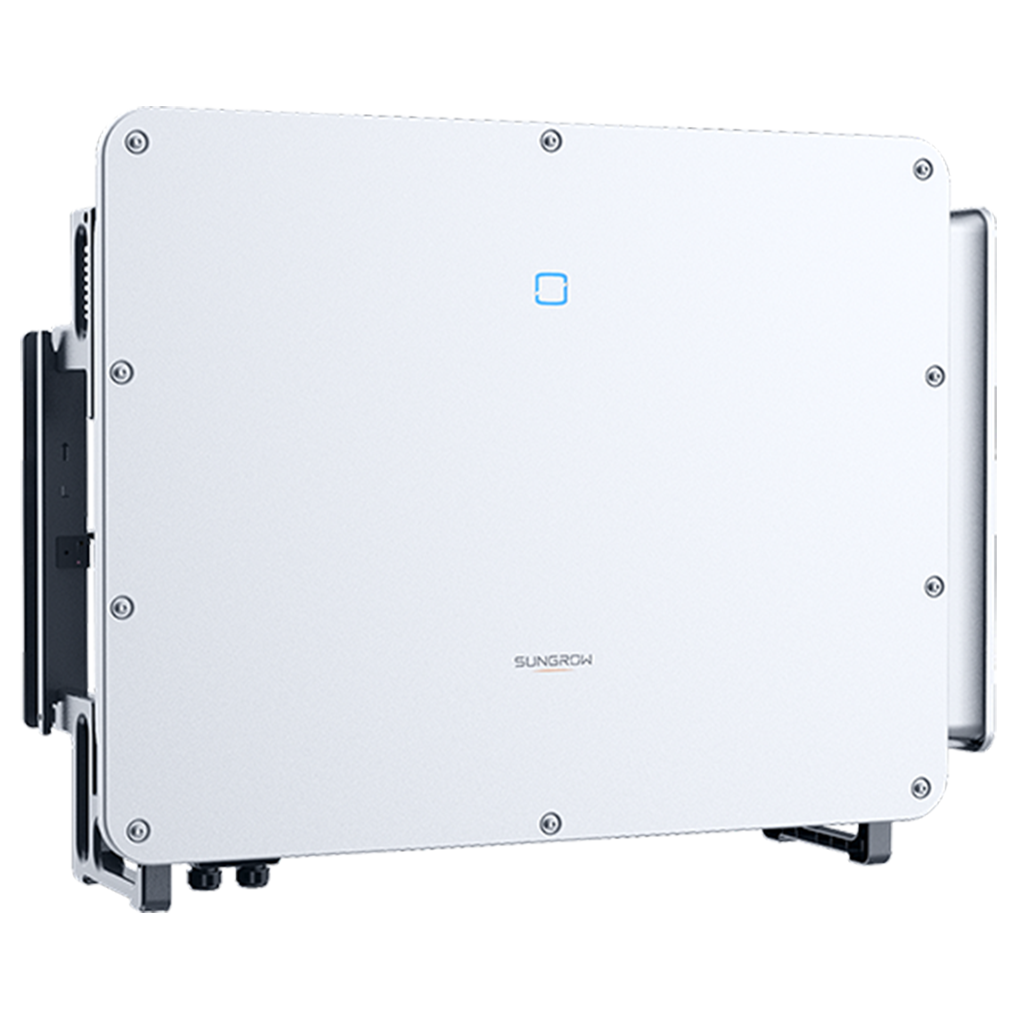
What’s Next?
Comparative insight: practical upgrades and what to measure
Now I shift gears and get technical: when I audit an outdoor deployment I test three things first — thermal uniformity, state of charge balancing accuracy, and AC/DC interlock integrity. I’ve done those tests on systems from the Central Valley to New Jersey, and the results are consistent: cabinets that integrate the powerstack 255cs with a coherent thermal management plan and a tuned inverter deliver longer usable life and fewer emergency swaps. In practical terms, that means retrofit decisions should consider module-level balancing, the battery management system protocol compatibility, and the cabinet’s IP protection rating (we once replaced an IP54 door on a seaside installation in March 2022; corrosion was immediate). Comparing options, you see trade-offs: sealed cabinets with active cooling cost more upfront but reduce cell-aging rates measurably — we tracked a 12% slower capacity fade over 18 months in one pilot. If you care about uptime, prioritize integration over box-only specs. Also, don’t ignore serviceability — hinged racks and clear cable trays cut mean-time-to-repair in half. Brief pause — I know budgets matter; I work with procurement teams to map TCO over five years. For decision-ready clarity, evaluate systems across three metrics: thermal performance (°C variance across modules), BMS fault resolution time (minutes to clear and reboot), and usable cycle throughput (kWh delivered before 80% SOH). These are concrete. These are measurable. And they guide better choices — for teams planning new installs or retrofits, the outdoor power cabinet integrations (with matched inverters and BMS profiles) often simplify acceptance testing. I’ll end with three evaluation metrics you can use immediately: thermal delta, BMS interoperability score, and repair turnaround — they tell you what you actually get. And, oh — if you want a vendor reference, check the system offerings from sungrow.