Electrical appliances have become an essential part of modern households. From kitchen equipment and personal care devices to fans, heaters, and other everyday electrical products, these appliances help people complete daily tasks more conveniently. Understanding how they operate can help users choose suitable products, use them correctly, and maintain them for longer periods. Citizen electrical appliances are designed to support everyday household activities by using electrical energy to perform practical functions. Their operation depends on components such as motors, heating elements, switches, circuits, and control systems.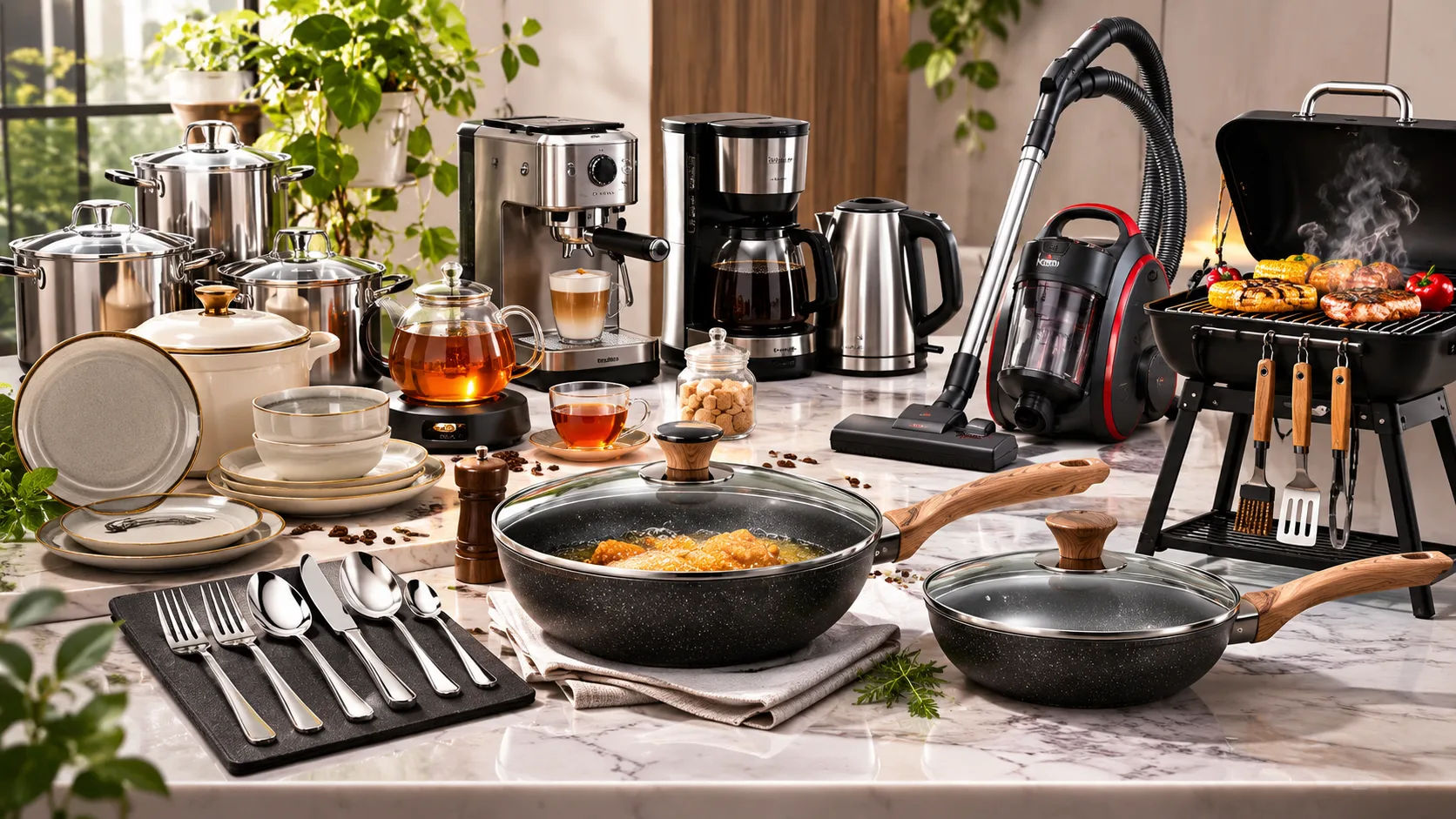
Learning how different appliances work is useful for homeowners, students, and anyone interested in household technology. Although individual products may have different designs, most electrical appliances follow similar operating principles. They receive electrical power, convert it into another form of energy, and use that energy to complete a particular task.
This comprehensive guide explains the basic technology behind electrical appliances, their important components, how different categories operate, and how to use and maintain them safely.
Basic Working Principle of Electrical Appliances
Electrical appliances work by converting electrical energy into useful energy. Depending on their purpose, they may produce heat, movement, light, sound, or other forms of energy.
For example, an electric fan converts electrical energy into mechanical movement. A heater converts electricity into heat, while an electric kettle uses a heating element to warm water.
The basic operating process usually involves three stages:
-
Power supply: The appliance receives electricity through a plug, battery, or another power source.
-
Energy conversion: Internal components transform electrical energy into the energy required for the appliance's function.
-
Output: The appliance performs its intended task, such as heating, cooling, mixing, or lighting.
These principles explain how most household electrical products operate.
The Role of Electrical Circuits
An electrical circuit provides a pathway through which electric current flows. Most appliances contain internal circuits that connect different components and allow them to work together.
A basic circuit includes a power source, conducting wires, a control switch, and an electrical component that uses the energy.
When someone switches on an appliance, the circuit is completed, allowing current to flow. Switching it off interrupts the circuit and stops normal operation.
Modern appliances may also contain electronic circuits that regulate temperature, speed, power consumption, and other functions.
How Voltage and Current Affect Performance
Voltage is the electrical pressure that moves current through a circuit. Current refers to the flow of electric charge.
Both are important for appliance performance. A product designed for a particular voltage should receive an appropriate power supply.
Using an appliance with an incompatible voltage can damage its internal components or create safety risks. Therefore, checking the voltage rating before connecting a new product is important.
Important Components Found in Electrical Appliances
Different appliances contain different internal parts, but several components are commonly used across household electrical equipment.
Understanding these parts makes it easier to understand how Citizen electrical appliances perform their everyday functions.
Electric Motors
Electric motors convert electrical energy into mechanical energy. They are commonly found in fans, blenders, washing machines, and other equipment that requires movement.
A motor generally works through the interaction of magnetic fields and electric current.
When electricity passes through its internal windings, a magnetic field is produced. This field interacts with other magnetic components, creating rotational movement.
The rotating shaft then transfers movement to another part of the appliance.
Heating Elements
Heating elements convert electrical energy into heat. They are commonly used in electric kettles, irons, heaters, and cooking equipment.
Most heating elements contain materials with electrical resistance. When current passes through the material, heat is generated.
This process is known as resistance heating.
The amount of heat produced depends on factors such as electrical power, operating time, and the design of the heating element.
Switches and Control Buttons
Switches allow users to control the operation of electrical appliances.
A basic switch opens or closes an electrical circuit. More advanced controls can provide several operating modes.
For example, a fan may have multiple speed settings, while an electric heater may offer adjustable temperature levels.
Electronic control buttons can also communicate with internal circuit boards to activate specific functions.
Sensors and Thermostats
Some appliances contain sensors that monitor environmental conditions or operating performance.
A temperature sensor measures heat, while a thermostat helps maintain a selected temperature.
These components can automatically adjust appliance operation when necessary.
For example, a temperature-controlled kettle may stop heating after reaching its programmed temperature.
How Different Citizen Electrical Appliances Work
Electrical appliances are designed for different purposes. Their operating mechanisms depend on the tasks they are expected to perform.
Let's explore some common categories and understand the technology behind them.
Kitchen Appliances
Common examples: Electric kettles, blenders, mixers, toasters, and other food preparation equipment.
Kitchen appliances make cooking and food preparation easier by using electricity to produce heat or mechanical movement.
An electric kettle uses a heating element to increase the temperature of water. When electricity passes through the element, resistance produces heat that transfers into the water.
A blender operates differently. Its electric motor rotates sharp blades at high speed, allowing users to mix ingredients, prepare smoothies, and crush suitable foods.
Mixers use rotating attachments to combine ingredients. Their motors provide the movement required for mixing, beating, and kneading.
Toasters use heating elements that produce radiant heat. This heat browns the surface of bread and makes it crispy.
Why Kitchen Appliances Need Proper Power Control
Kitchen equipment often uses considerable electrical power, especially products that generate heat.
A suitable power supply helps the appliance operate correctly. Users should avoid connecting several high-power products to an overloaded extension board.
They should also keep electrical connections away from water and wet surfaces.
Cooling Appliances
Cooling appliances help maintain comfortable indoor temperatures and preserve food.
Electric fans, refrigerators, and air conditioners use different mechanisms to provide cooling.
An electric fan uses a motor to rotate blades. These blades move air around a room, creating airflow that helps sweat evaporate from the skin.
A refrigerator uses a refrigeration cycle. Its compressor circulates refrigerant through different components, allowing heat to move from inside the refrigerator to the surrounding environment.
Air conditioners also use refrigeration technology. They absorb heat from indoor air and release it outside.
The Importance of Airflow
Cooling appliances need proper airflow to operate efficiently.
Fans require enough space around their blades and ventilation openings. Refrigerators need suitable clearance around their ventilation areas.
Air conditioners also require clean filters to maintain effective airflow.
Blocked ventilation can reduce performance and increase energy consumption.
Heating Appliances
Heating appliances are designed to increase temperature for cooking, comfort, or other household purposes.
Electric heaters commonly use resistance heating elements. When electricity passes through these elements, they become hot and transfer heat into the surrounding air.
Some heaters use fans to distribute warm air, while others rely on natural convection or radiant heating.
Electric irons also use heating elements. Their thermostats regulate the temperature to suit different fabric requirements.
How Temperature Regulation Works
Temperature control is an important feature of modern heating appliances.
A thermostat monitors temperature and controls the heating element. When the selected temperature is reached, the thermostat may interrupt the heating process.
If the temperature falls below the selected level, heating can begin again.
This automatic process helps maintain consistent operating temperatures.
Personal Care Appliances
Personal care appliances help users with grooming and everyday hygiene.
Examples include hair dryers, electric shavers, hair straighteners, and massagers.
A hair dryer generally contains an electric heating element and a small motor-driven fan.
The heating element warms the air, while the fan pushes that air through the appliance's outlet.
Electric shavers use a motor to move cutting blades or rotating heads. These components trim hair close to the skin.
Hair straighteners use heated plates to change the temporary shape of hair through controlled heat and pressure.
Some massagers use vibrating motors or mechanical movement to provide a massage sensation.
Why Temperature and Speed Settings Matter
Personal care appliances often provide adjustable settings.
Hair dryers may offer different heat and airflow levels, while straighteners may have temperature controls.
Choosing suitable settings helps improve comfort and reduces unnecessary heat exposure.
Users should always follow the product instructions and avoid using electrical personal care equipment near water unless it is specifically designed for that environment.
How Electronic Control Systems Improve Appliance Performance
Modern electrical appliances often contain electronic control systems that make operation more convenient.
These systems manage different functions and allow appliances to respond to user instructions.
Microcontrollers and Circuit Boards
A microcontroller is a small electronic device that processes information and controls appliance functions.
It receives signals from buttons and sensors, processes those signals, and sends instructions to other components.
For example, an electronic kitchen appliance may use a microcontroller to control motor speed and operating time.
A washing machine may use electronic controls to manage water levels, washing cycles, and spinning speed.
Automatic Operating Functions
Automatic features reduce the amount of manual effort required from users.
Examples include:
-
Automatic shut-off after a selected operating period.
-
Temperature regulation in heating equipment.
-
Speed adjustment in selected motor-driven appliances.
-
Overheating protection.
-
Programmed operating cycles.
These functions can improve convenience and help prevent certain operating problems.
However, automatic protection systems should never replace proper supervision and safe usage.
Digital Displays and Indicators
Some appliances include digital displays that provide information about their operating condition.
Depending on the model, a display may show temperature, remaining time, selected settings, or error codes.
Indicator lights can also show whether a product is receiving power or actively operating.
These features help users understand what the appliance is doing.
How to Use Citizen Electrical Appliances Correctly
Correct operation is essential for maintaining appliance performance and preventing unnecessary damage.
Before using a new product, users should read its instruction manual and understand its basic controls.
Check the Power Requirements
Every electrical appliance has a power rating that identifies its electrical requirements.
Check the voltage, frequency, and wattage information before connecting it to a power source.
In Pakistan, household electricity is generally supplied at approximately 230 volts and 50 hertz. However, users should always check their appliance's specifications and local supply conditions.
If an appliance has a different voltage requirement, an appropriate solution must be confirmed before use.
Follow the Manufacturer's Instructions
Different models may have different operating requirements.
Some appliances need assembly before use, while others require specific accessories or preparation.
Following the instructions helps users avoid incorrect operation.
For example, a blender should not be operated without its jar properly secured. Similarly, a kettle should not be filled beyond its maximum water level.
Avoid Overloading Appliances
Overloading can place unnecessary pressure on motors, heating elements, and electrical circuits.
A blender should not contain more ingredients than its recommended capacity.
A washing machine should not be filled beyond its stated load limit.
Using appliances within their recommended operating limits supports consistent performance.
Use the Correct Settings
Many appliances provide several operating modes.
Selecting the appropriate setting helps achieve better results.
For example, a fan's lower speed may be sufficient for gentle airflow, while a higher setting may be more suitable for warmer conditions.
Similarly, heating equipment should use a temperature appropriate for its intended task.
Maintenance Practices That Help Appliances Last Longer
Regular maintenance helps keep electrical products clean, safe, and functional.
Dust, moisture, food particles, and poor ventilation can affect appliance performance over time.
Clean Appliances Regularly
Cleaning requirements depend on the product's design.
Kitchen appliances may collect food residue, grease, or liquid spills. Fans may accumulate dust on their blades and protective covers.
Always disconnect an appliance from the power supply before cleaning it.
Use a soft, slightly damp cloth on suitable external surfaces. Never pour water directly onto electrical components.
Removable accessories should only be washed according to the manufacturer's instructions.
Inspect Electrical Cords and Plugs
Damaged cables can create serious electrical hazards.
Check power cords regularly for cuts, exposed wires, unusual heating, or loose connections.
Do not use an appliance if its plug or cable is damaged.
Avoid pulling an appliance out of a socket by its cable. Hold the plug instead.
Maintain Ventilation
Many electrical products generate heat during operation.
Fans, heaters, refrigerators, and other equipment need suitable ventilation to prevent excessive temperatures.
Keep air vents clear of dust and obstructions.
Do not cover ventilation openings unless the manufacturer specifically allows it.
Arrange Professional Repairs
Some appliance problems require technical knowledge.
Internal electrical components, circuit boards, heating elements, and motors should be inspected by qualified technicians when necessary.
Attempting complicated repairs without proper training can cause electrical shock, fire, or further equipment damage.
Common Problems and How to Understand Them
Electrical appliances can sometimes develop problems due to regular use, incorrect operation, or component failure.
Understanding common symptoms helps users decide what action to take.
Appliance Does Not Turn On
If an appliance does not start, first check whether the wall socket is supplying electricity.
Inspect the plug and power cord for visible damage.
Also check whether the main switch is turned on and whether the appliance has a separate power control.
If these basic checks do not resolve the problem, professional inspection may be necessary.
Appliance Makes Unusual Noise
Unusual noises can indicate loose components, worn bearings, motor problems, or objects interfering with moving parts.
For example, a fan may produce noise if its blades are loose or unbalanced.
Switch off the appliance and disconnect it before checking for visible obstructions.
Avoid operating equipment that produces persistent unusual sounds.
Appliance Becomes Too Hot
Excessive heat may result from blocked ventilation, overloading, prolonged operation, or a damaged internal component.
Some appliances naturally become warm during use, but unusual overheating should not be ignored.
Switch off the product and disconnect it when safe to do so.
If the problem continues, arrange professional servicing.
Appliance Uses More Electricity Than Expected
Higher electricity consumption may result from inefficient operation, poor maintenance, damaged components, or excessive usage.
For example, a refrigerator with damaged door seals may require more energy to maintain its internal temperature.
Keeping appliances clean and using suitable operating settings can help reduce unnecessary consumption.
Energy Efficiency and Electricity Consumption
Energy efficiency refers to how effectively an appliance uses electricity to perform its intended function.
An efficient product provides useful output while minimizing unnecessary energy consumption.
Understanding Wattage
Wattage indicates the electrical power an appliance uses while operating under specified conditions.
A higher-wattage appliance generally consumes electricity faster when operating continuously at its rated power.
However, total electricity consumption also depends on operating time.
For example, an appliance rated at 1,000 watts uses approximately one kilowatt-hour of electricity when operating at that power level for one hour.
Practical Ways to Reduce Electricity Usage
Users can adopt several simple habits to manage electricity consumption.
-
Switch off appliances when they are not needed.
-
Avoid leaving equipment running unnecessarily.
-
Keep refrigerators properly maintained.
-
Clean filters and ventilation openings.
-
Choose appropriate temperature and speed settings.
-
Avoid running appliances beyond their recommended capacity.
-
Select energy-efficient products when purchasing replacements.
These habits can improve household energy management.
Essential Safety Measures When Using Electrical Appliances
Electrical safety should always be a priority.
Even a small household appliance can create risks if it is damaged or used incorrectly.
Keep Appliances Away From Water
Water can conduct electricity, making wet environments particularly dangerous.
Keep plugs, sockets, and electrical connections away from sinks, bathtubs, and wet floors.
Never handle electrical equipment with wet hands.
Avoid Damaged Extension Cords
Extension cords should have suitable electrical ratings for the appliances connected to them.
Do not use damaged, overheated, or loosely connected extension boards.
High-power appliances should generally be connected directly to an appropriately rated wall outlet when recommended by the manufacturer.
Do Not Ignore Burning Smells
A burning smell, smoke, sparks, or repeated electrical tripping may indicate a serious fault.
Switch off the power if it is safe to do so.
Do not continue operating the appliance until it has been inspected by a qualified professional.
Use Proper Electrical Protection
Appropriate circuit breakers, fuses, and residual-current protection devices can reduce certain electrical risks.
Their selection and installation should be handled by qualified electrical professionals.
What to Consider When Choosing Electrical Appliances
Selecting suitable equipment involves more than comparing appearance and price.
Users should consider several practical factors before purchasing a household product.
Product Features and Functions
Choose an appliance based on the tasks you actually need it to perform.
For example, someone who regularly prepares smoothies may benefit from a blender with suitable motor power and capacity.
A household that needs occasional heating may prefer a heater with adjustable temperature controls and appropriate safety features.
Build Quality and Materials
Look for products made from durable materials.
Check the quality of switches, cables, plugs, external housing, and removable accessories.
A well-constructed appliance is generally better suited to regular household use.
Energy Consumption
Compare the power ratings and expected operating costs of different products.
For appliances that operate for several hours daily, energy efficiency can make a meaningful difference to household electricity expenses.
Warranty and After-Sales Support
Warranty coverage provides information about the manufacturer's support arrangements.
Before buying, check the warranty period, service conditions, availability of replacement parts, and repair options.
For Citizen electrical appliances, consumers should confirm the exact model specifications, manufacturer information, and available support before making a purchase.
The Future of Household Electrical Appliances
Household electrical technology continues to develop.
Modern products increasingly combine traditional electrical components with digital controls, automatic functions, and connected technology.
Smart Appliance Features
Smart appliances can use wireless connectivity to communicate with smartphones or other devices.
Depending on the model, users may be able to monitor operating conditions, adjust settings, or receive notifications remotely.
These features can make household management more convenient.
Improved Energy Management
Manufacturers continue to develop technologies that reduce unnecessary electricity consumption.
Improved motors, better insulation, efficient heating systems, and advanced control circuits can help appliances operate more effectively.
Better Safety Technology
Modern appliance designs may include additional protection against overheating, electrical overload, and abnormal operating conditions.
These systems can improve safety when correctly designed and maintained.
However, users must still follow operating instructions and avoid damaged electrical equipment.
Conclusion
Understanding how electrical appliances work makes everyday household activities safer and more convenient. Most products operate through a simple principle: they receive electrical energy and convert it into heat, movement, light, or another useful form of energy. Components such as motors, heating elements, switches, sensors, thermostats, and electronic control circuits work together to achieve the desired result.
Citizen electrical appliances can be understood through these fundamental electrical principles. Kitchen appliances use heating systems and motors to prepare food, cooling equipment uses airflow or refrigeration technology, and personal care products rely on controlled heat and mechanical movement. Although their functions differ, they all depend on suitable electrical connections and correctly functioning internal components.
Proper usage and regular maintenance are equally important. Checking power requirements, avoiding overloaded sockets, cleaning appliances correctly, inspecting cables, and maintaining ventilation can help reduce common problems. Users should also pay attention to unusual noises, overheating, burning smells, and other warning signs that may indicate a fault.
Energy efficiency is another important consideration. Choosing appropriate settings, switching off unused equipment, and maintaining appliances properly can help control electricity consumption.
When selecting Citizen electrical appliances, buyers should consider product specifications, build quality, safety features, energy requirements, warranty coverage, and after-sales support. They should also verify the details of the specific model rather than assuming every product has identical features.
Ultimately, understanding appliance technology allows consumers to make informed decisions, use household equipment responsibly, and get better value from their purchases. With appropriate care, safe operating habits, and regular maintenance, electrical appliances can remain useful and dependable parts of everyday life.